
A study crossed my desk this year that I have been thinking about for weeks, not because it is unusual, but because it is a near-perfect specimen of a problem this whole field has stopped noticing.
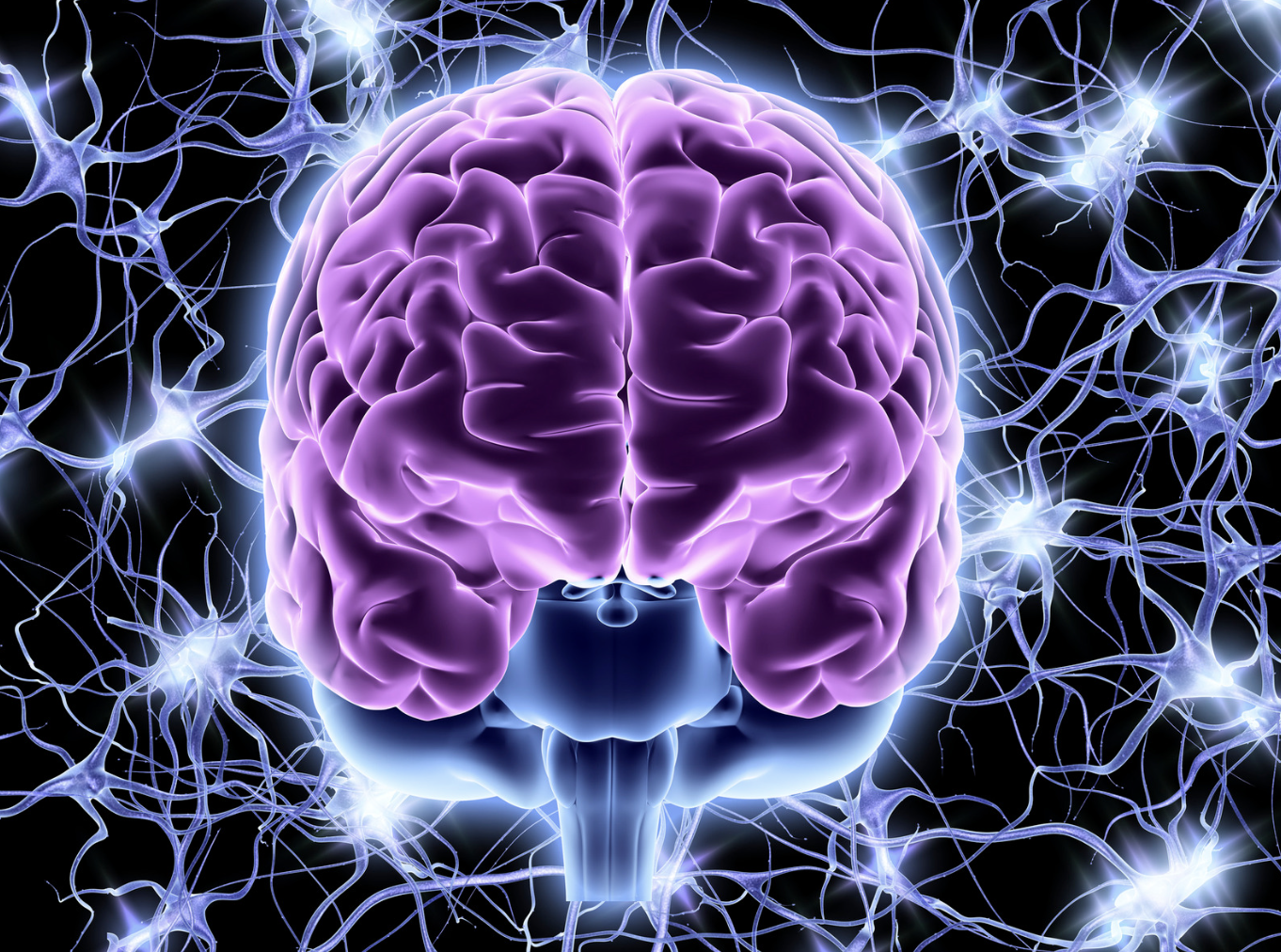
Researchers at a respected university studied twenty people over a week-long intensive meditation retreat. They measured genuine biological markers before and after: signs consistent with increased neuroplasticity, changes suggesting the body’s own pain-relief systems had activated. The paper went through peer review. It was published in a serious scientific journal. None of that is in dispute, and none of it should be.
Here is the sentence that usually gets skipped when this study is shared. The retreat’s own founder co-authored the paper, sat inside the research team as a named contributor, and funded the data collection through his own company. Read the headline alone and you would assume an outside institution had independently tested a claim and confirmed it. Read the methodology and you find the person whose method was being tested helped design the experiment that tested it.
I want to be precise about what I am and am not saying, because this is exactly the kind of nuance the vagueness economy thrives on erasing in both directions. I am not saying the biology is fake. Neuroplasticity markers were measured by credentialed scientists using recognised methods, and there is no reason to assume the numbers were fabricated. I am also not saying peer review is worthless, because it genuinely does filter out a great deal of bad statistics and sloppy method. What I am saying is that peer-reviewed and independently verified are two different claims, and this field has been treating them as interchangeable for so long that most people no longer notice the gap between them.
Independence is not a nice-to-have footnote. It is the entire mechanism by which science protects itself from the very human tendency to see what we are hoping to see. A researcher with financial or reputational stakes in a particular outcome is not automatically dishonest, but they are operating inside a structural conflict of interest that peer review does not correct for, because peer review checks statistics and method, not motive. When the person being validated is also a co-author and the funder, the study can be entirely accurate and still be unable to answer the one question a sceptical reader actually wants answered: would an outside team, with nothing to gain either way, find the same thing.
This matters more in the awakening and consciousness field than almost anywhere else, because credibility here is currency. A single peer-reviewed citation can be deployed for years afterwards as proof that an entire method is scientifically validated, and very few people in the audience will ever open the actual paper to check who funded it. I have watched claims travel from a specific, narrow, self-funded finding into a sweeping “science proves this works” statement within a single social media caption. That compression is where the real damage happens, not in the study itself.
So what does a credentialed, sceptical seeker actually do with a study like this. Not dismiss it, because dismissing genuine research on principle is its own kind of intellectual bypass, just running in the opposite direction from blind acceptance. The more useful move is to ask three questions of any study before letting it settle a claim. Who designed it. Who paid for it. And could the result plausibly have gone the other way, given who was involved. A study that fails all three tests is not disqualified from being interesting, but it should never be allowed to carry the full weight of “this is scientifically proven,” because that phrase implies a level of independence the study itself does not have.
This is also where I think the more materially rigorous voices in this space, the ones who are genuinely careful about evidence, sometimes underplay their own advantage. Independent verification is slower, harder to fund, and less exciting to announce than a founder-backed pilot study. But it is the actual standard, and a method that has never been tested by anyone without a stake in the outcome has a specific, nameable gap in its evidence base, whatever else is true about it.
None of this is an argument against studying subjective experience, meditation, or transformation scientifically. It is the opposite. The more this field wants to be taken seriously by a credentialed, discerning audience, the more it needs to hold itself to the standard that audience already applies everywhere else in their professional lives: not “is there a study,” but “who was allowed to check the answer.” A grounded, verifiable approach to awakening should welcome that question rather than needing to avoid it, because a method that actually works does not depend on being tested only by the person who built it.
The mechanics come before the meaning here, as they should everywhere in a rigorous approach to consciousness work. Notice the difference between evidence and independently verified evidence, apply it evenly, including to work you are inclined to trust, and the vagueness economy loses one of its most effective tools almost overnight.
There is a practical version of this test that I use with practitioners I train, and it applies well beyond this one study. Before repeating any claim that a spiritual or wellbeing method is scientifically validated, trace it back to the original paper rather than the summary that reached you. Read the author list. Read the funding statement, which is usually a single sentence near the end of the methods section and almost never appears in the press release. Ask whether the sample size was large enough to support the claim being made about it, because twenty participants is a reasonable pilot study and a poor foundation for a sweeping public claim. None of these steps require a science degree. They require the same due diligence a credentialed professional would already apply before trusting a claim in their own field, simply redirected toward a domain where enthusiasm too often substitutes for scrutiny.
I would also gently push back on the instinct, common among the more materially rigorous critics of this field, to treat a study like this as evidence the entire method is baseless. It is not. Twenty people showed measurable biological change after a structured, intensive experience, and dismissing that outright is its own failure of intellectual honesty. The accurate, fair position sits between the two extremes that dominate public conversation about this kind of research: not proof of a paradigm shift, and not proof of nothing, but a genuinely interesting, narrow, self-funded pilot finding that deserves independent replication before it carries the weight currently being placed on it.