
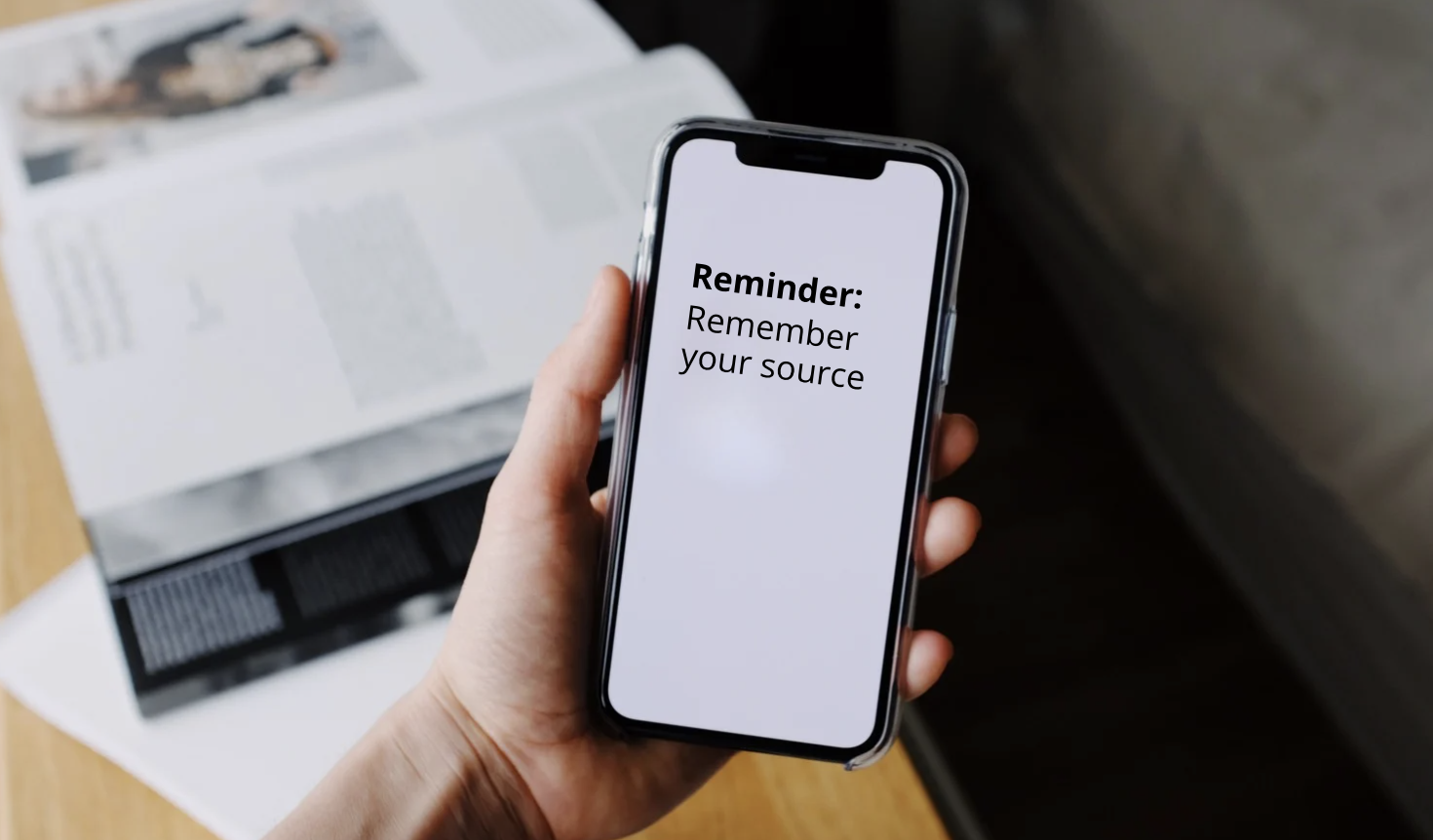

This is a practical article about a small thing that turns out to matter more than it looks.
The instruction is this: set three alarms on your phone, at points throughout your waking day that are realistic and sustainable. Name each one. Not “alarm” or a time. A name that, when you look at it to turn it off, will remind you of something that is actually true about you.
“Remember your source.”
“You are whole.”
“Reconnect now.”
“You are not this inbox.”
Whatever lands for you. Whatever is most likely to cut through the particular noise of your particular day.
That is the practice. Three times a day. Approximately three seconds of genuine contact with whatever you name it.
Why This Is Not As Small As It Sounds
Most of us spend the overwhelming majority of our waking lives in what I would describe as the pull of the physical: the inbox, the to-do list, the conversation that didn’t go well, the thing that still needs doing, the low-level background hum of logistics and obligation and response.
This pull is not pathological. It is the nature of physical reality. And there is something genuinely extraordinary about physical reality — its texture, its immediacy, its particularity. The way a specific problem in a specific conversation at a specific time can become the entire content of your attention. That specificity is what makes physical experience rich.
It is also what makes it so effective at making us forget there is anything else.
I sometimes describe this as the glamour of the physical. Not glamour in the contemporary sense, but in the older sense: an enchantment that makes things look like something other than they are. The physical world is so compelling, so immediate, so demanding and present, that it can run for hours, days, sometimes longer, as the entire frame of reference. And within that frame, everything that is not physical, not immediate, not logged and tracked, becomes invisible.
This is not a spiritual commentary on the unreality of the physical world. The physical world is real. It is also not the whole of what you are. And the point of the alarm is simply to interrupt the enchantment, three times, at predictable intervals, and give you back the larger frame for approximately three seconds.
What “Remembering Source” Actually Means
I want to be precise here, because this kind of language can slide easily into the vague and reassuring, which is not what it is intended to be.
Remembering source is not a mood. It is not a feeling of peace or calm or connection, though those may accompany it. It is not a guided meditation or a ritual. It is not something that requires effort to achieve.
It is a recognition. A moment of orienting yourself to what is actually the case, beneath the particular pressures and projections of the day.
What is actually the case is this: you are not just the contents of your inbox. You are not defined by the conversation that went badly or the project that is behind schedule or the family situation that has not yet resolved.
You are, underneath all of that, connected to something much larger than any of it. Call it what you like. Source, consciousness, being, ground. The name matters less than the contact.
Three seconds of genuine contact, three times a day. That is what the alarm is for.
The Neurological Dimension
There is something else worth noting about this practice, which is not spiritual but physiological.
Every time you think in a way that is unfamiliar, that demands a different kind of attention, that takes you out of the habitual pattern of your day and into something that requires genuine orientation, your nervous system registers it. Over time, with repetition, the capacity for that kind of orientation expands.
This is not unique to spiritual practice. It is how any new kind of thinking works: the first time is effortful, the tenth time is easier, the hundredth time is available without effort. The capacity has expanded.
What this means for the alarm practice is that the value compounds. The first week you set the alarms, you will mostly turn them off and carry on. Occasionally, something will land. Over months, the recognition becomes more accessible. The orienting shift becomes faster. The gap between absorption in the physical and the remembering of the larger frame gets shorter.
This is not a promise of spiritual advancement. It is a description of how nervous systems work when given consistent, low-intensity stimulation over time. The compound effect of small, repeated actions is the most reliable mechanism of change available.
Small, repeated, specific. Not intensive, not dramatic, not requiring sustained willpower.
Just: when the alarm goes off, look at what it says, and for the three seconds it takes to turn it off, mean it.
What to Notice
If you try this practice for a week, pay attention to the following.
How quickly, after turning the alarm off, you are fully back in the pull of the physical. This is useful information, not a failing. It tells you how strong the pull is in your particular life at this particular time.
Whether anything shifts in how you relate to the things that were previously generating disturbance. Not always, not immediately. But sometimes, the three seconds of reorientation creates just enough distance between the stimulus and the response to allow a different response.
Whether the practice feels different at different times of day. Morning alarms tend to land differently from afternoon ones.
And notice whether, over time, the remembering starts to happen without the alarm. That is not the goal. But it is what tends to happen.