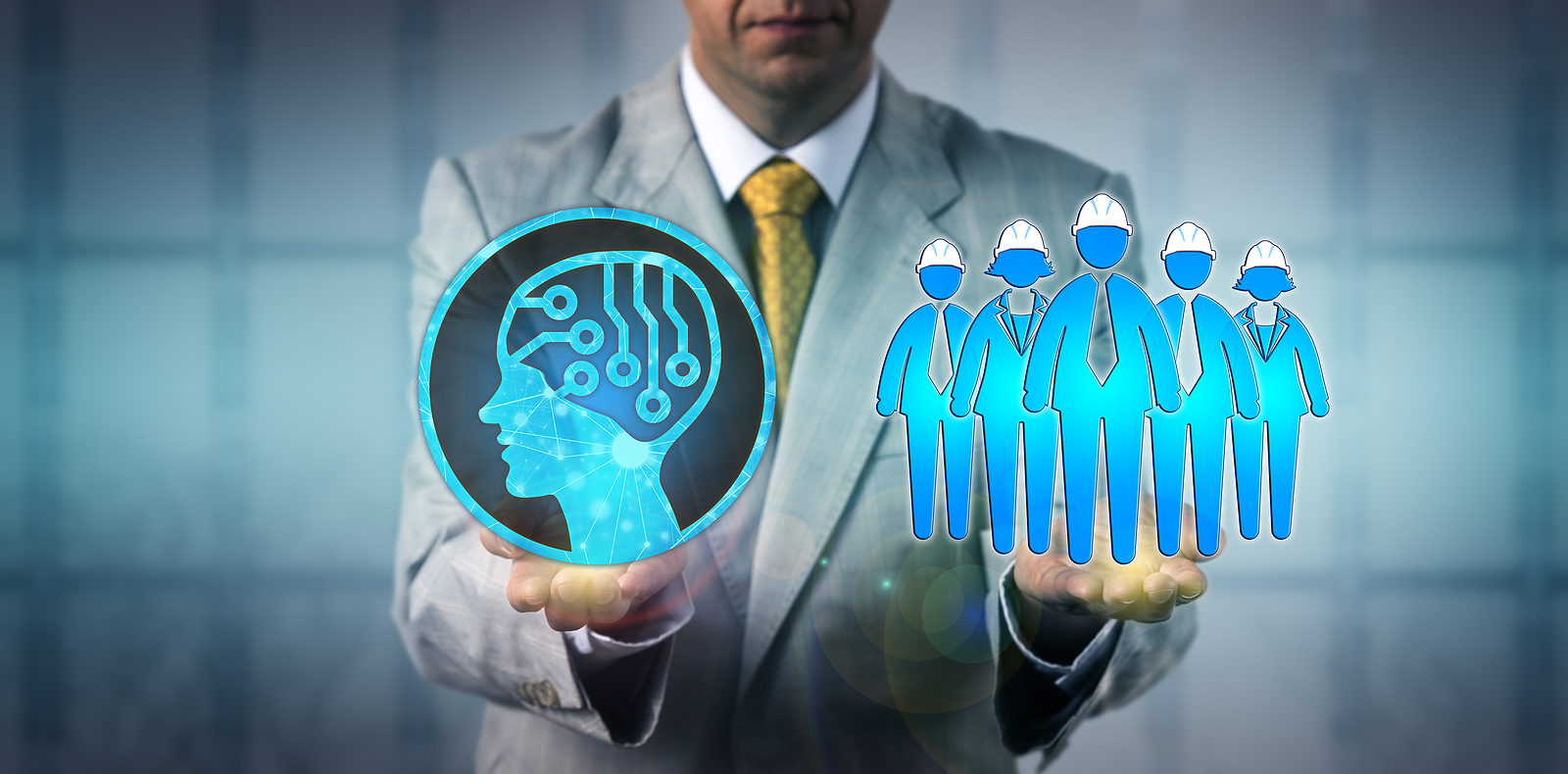

The leaders who thrive in the AI age won’t be those who resist technology—they’ll be those who can hold space for both human consciousness and artificial intelligence to flourish together.
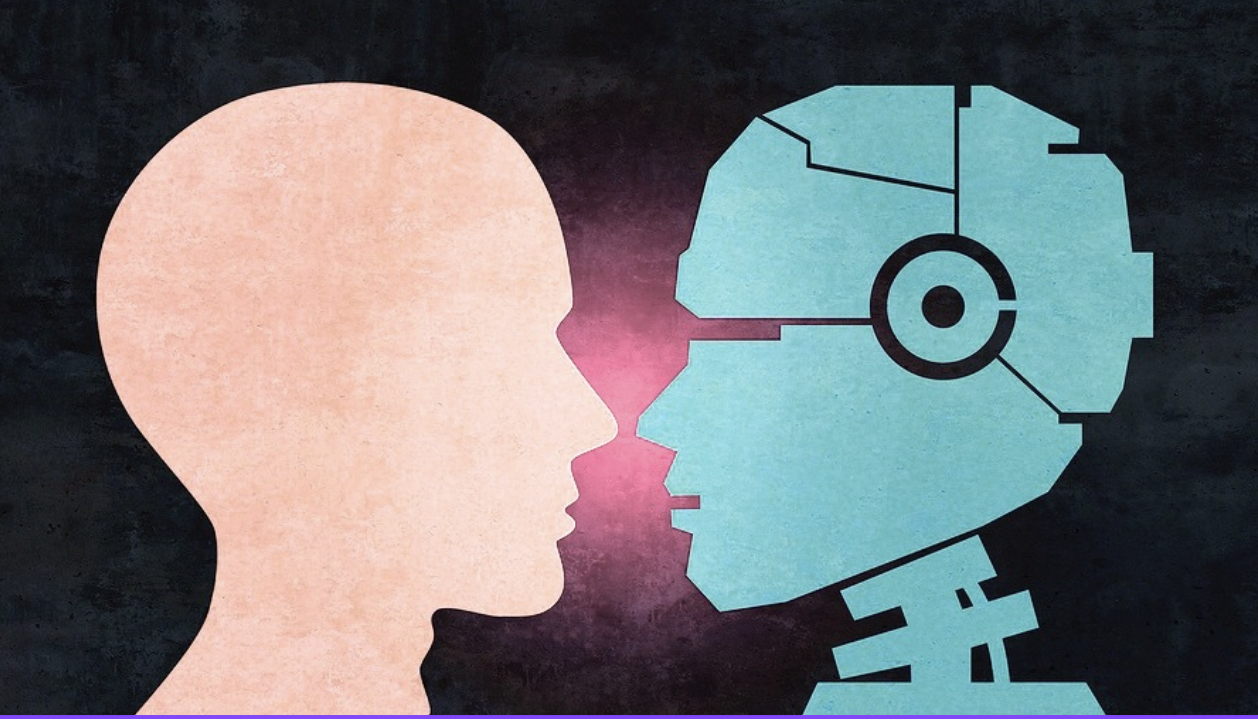
Leadership is being fundamentally redefined by artificial intelligence. We’re moving from a world where leaders primarily managed human teams to a world where leaders must orchestrate collaboration between humans, AI systems, and hybrid human-AI teams.
This isn’t just about learning new technologies or management techniques. It’s about developing a completely new form of consciousness that can hold space for multiple types of intelligence while maintaining the human elements that make leadership truly transformational.
The Consciousness-Technology Integration Challenge
Traditional leadership models were designed for managing human consciousness—understanding motivation, building relationships, inspiring vision, and creating culture. But AI introduces a completely different type of intelligence that operates according to different principles.
The challenge for conscious leaders is learning to work with both types of intelligence simultaneously:
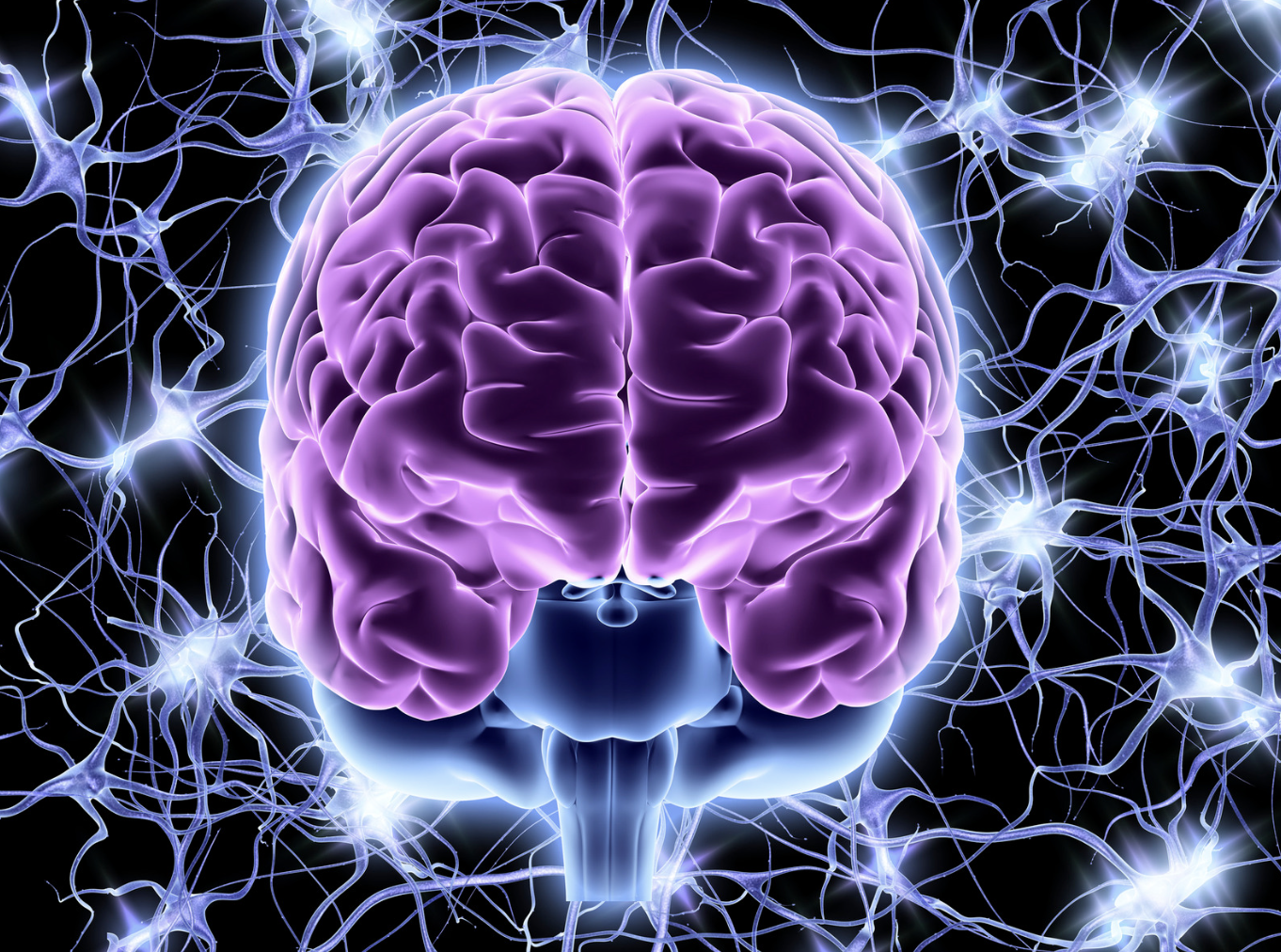
Human Intelligence: Intuitive, emotional, creative, contextual, relationship-based, meaning-seeking, and purpose-driven.
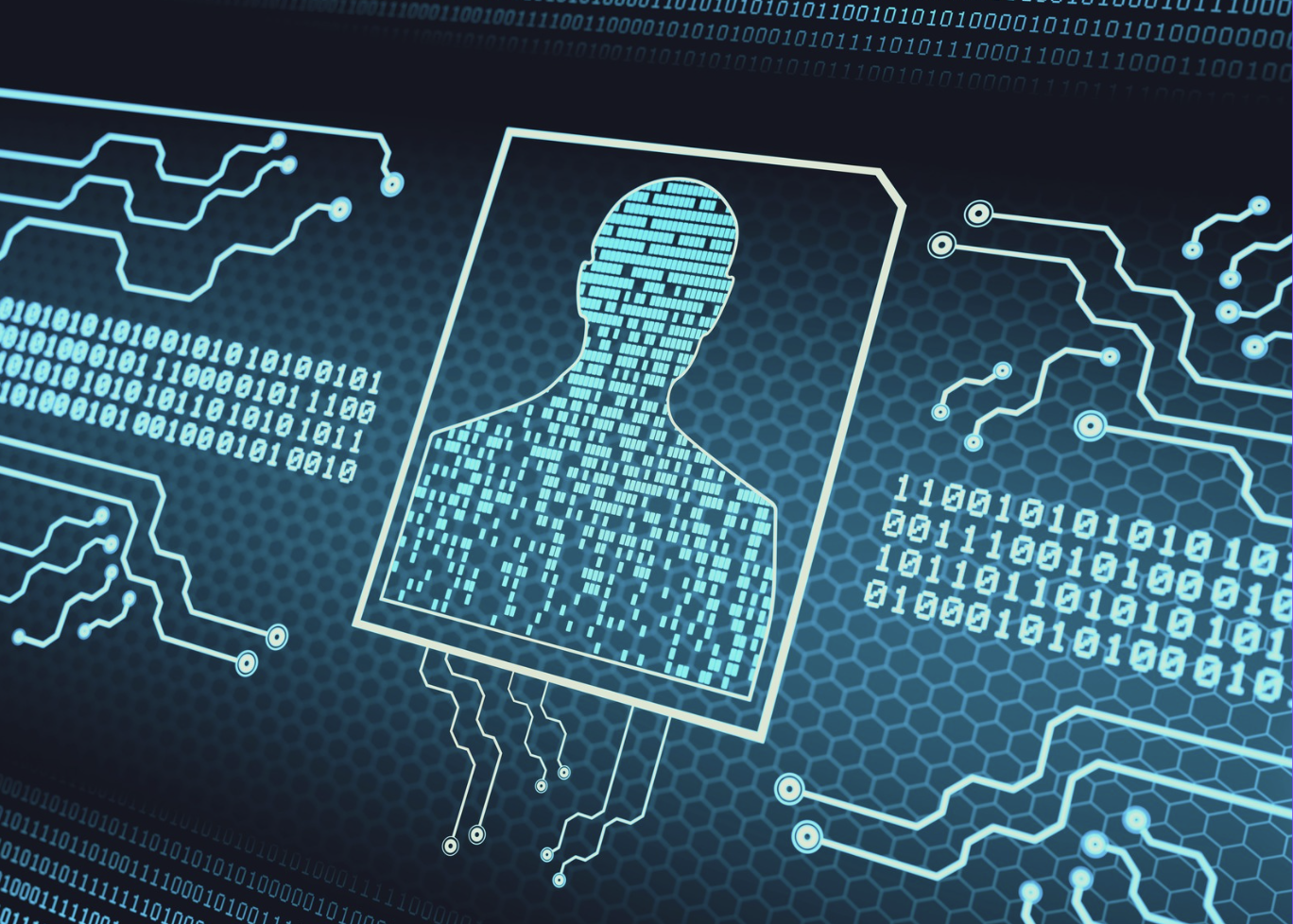
Artificial Intelligence: Analytical, pattern-based, systematic, data-driven, objective, and optimization-focused.
The most effective leaders of the future will be those who can integrate these different types of intelligence into coherent, productive collaboration.
The Four Levels of AI-Age Leadership
I’ve identified four distinct levels of leadership consciousness in the AI age:
Level 1: AI-Resistant Leadership These leaders see AI as a threat and try to maintain traditional human-only approaches. They resist implementing AI tools and focus on “protecting” human jobs from automation.
This approach is ultimately unsustainable and limits both human and organizational potential.
Level 2: AI-Dependent Leadership These leaders become overly reliant on AI for decision-making and lose touch with human intuition and wisdom. They treat AI as infallible and abdicate human judgment.
This approach creates organizations that are efficient but lack soul, creativity, and adaptability.
Level 3: AI-Collaborative Leadership These leaders learn to work with AI as a tool, using it to enhance human capabilities while maintaining human oversight and decision-making authority.
This is where most progressive leaders currently operate, but it’s not the highest level possible.
Level 4: AI-Integrated Leadership These leaders develop the consciousness to orchestrate seamless collaboration between human and artificial intelligence, creating hybrid teams that are more capable than either could be alone.
This is the emerging frontier of conscious leadership.
The Hybrid Team Orchestration Model
AI-Integrated leaders don’t just manage humans or use AI tools—they orchestrate hybrid teams where humans and AI work together in complementary ways.
The Human Roles in Hybrid Teams: – Vision setting and purpose alignment – Creative problem-solving and innovation – Emotional intelligence and relationship building – Ethical decision-making and values integration – Intuitive insight and spiritual discernment – Change management and adaptation
The AI Roles in Hybrid Teams: – Data analysis and pattern recognition – Systematic process optimization – Consistent execution and quality control – 24/7 availability and rapid response – Complex calculation and modeling – Information synthesis and research
The Leader’s Role: – Orchestrating collaboration between human and AI team members – Ensuring that each type of intelligence is used for its highest contribution – Maintaining team coherence and shared purpose – Facilitating communication between human and AI systems – Managing the integration challenges and conflicts that arise
The Consciousness Calibration Process
One of the most important skills for AI-Integrated leaders is consciousness calibration—the ability to sense what type of intelligence is needed for different situations and to direct team resources accordingly.
When to Emphasize Human Intelligence: – Creative brainstorming and innovation – Emotional or relationship challenges – Ethical dilemmas and values-based decisions – Change management and adaptation – Crisis situations requiring intuition and judgment
When to Emphasize AI Intelligence: – Data analysis and pattern recognition – Systematic process execution – Quality control and consistency – Research and information synthesis – Optimization and efficiency improvements
When to Integrate Both: – Complex problem-solving requiring both analysis and creativity – Strategic planning that needs both data and vision – Customer experience design requiring both efficiency and empathy – Product development requiring both innovation and optimization
The Presence-Plus-Systems Approach
Traditional conscious leadership emphasized presence, intuition, and human connection. AI-Integrated leadership requires what I call “Presence-Plus-Systems”—the ability to maintain conscious presence while also working skillfully with systematic, technological intelligence.
This means developing:
Expanded Awareness: The capacity to hold both human consciousness and AI intelligence in your awareness simultaneously.
Technological Intuition: The ability to sense when and how to use AI tools effectively, not just intellectually but intuitively.
Hybrid Communication: The skill to facilitate communication between humans and AI systems, translating between different types of intelligence.
Systems Thinking: The ability to see how human and AI intelligence can be integrated into coherent, effective systems.
The AI Training Leadership Responsibility
AI-Integrated leaders have a unique responsibility: training AI systems to work effectively with their specific team and organizational culture.
This involves:
Values Integration: Training AI systems to make decisions that align with organizational values and ethical principles.
Culture Calibration: Helping AI understand the nuances of team culture and communication styles.
Boundary Setting: Establishing clear boundaries about what AI should and shouldn’t do within the team.
Feedback Loops: Creating systems for continuous improvement of human-AI collaboration.
The Human Development Imperative
Paradoxically, leading in the AI age requires more focus on human development, not less. As AI handles more analytical and systematic tasks, human team members need to develop their uniquely human capabilities:
Emotional Intelligence: The ability to understand and work with emotions, both their own and others’.
Creative Problem-Solving: The capacity to generate novel solutions and think outside existing frameworks.
Spiritual Intelligence: The ability to connect with purpose, meaning, and values in their work.
Relational Skills: The capacity to build deep, authentic relationships and collaborate effectively.
Adaptability: The ability to learn, grow, and adapt to rapidly changing circumstances.
AI-Integrated leaders must become master developers of human potential, helping their team members evolve into their highest capabilities.
The Ethical Leadership Framework
Leading hybrid human-AI teams raises complex ethical questions that require a sophisticated framework:
AI Transparency: Ensuring that team members understand when and how AI is being used in decision-making processes.
Human Dignity: Maintaining the value and dignity of human team members even as AI capabilities expand.
Bias Prevention: Actively working to prevent AI systems from perpetuating or amplifying human biases.
Privacy Protection: Safeguarding personal and sensitive information in AI-integrated work environments.
Accountability: Maintaining clear lines of responsibility and accountability in human-AI collaborative decisions.
The Future Leadership Skillset
The leaders who will thrive in the AI age are developing a unique combination of ancient wisdom and cutting-edge technological fluency:
Ancient Wisdom Skills: – Presence and mindfulness – Intuitive decision-making – Emotional attunement and empathy – Values-based leadership – Spiritual discernment and wisdom
Technological Fluency Skills: – AI system training and optimization – Data interpretation and analysis – Process automation and systematization – Technology integration and troubleshooting – Digital communication and collaboration
Integration Skills: – Hybrid team orchestration – Consciousness calibration – Cross-intelligence communication – Systems thinking and design – Continuous learning and adaptation
The Transformation Opportunity
The AI age isn’t just changing how we work—it’s forcing us to evolve as leaders and as human beings.
Leaders who embrace this evolution will find themselves capable of creating organizations that are more effective, more innovative, and more fulfilling than anything that was possible in the purely human era.
These organizations will be characterized by: – Seamless collaboration between human and artificial intelligence – Rapid innovation and adaptation – Deep human fulfillment and purpose – Ethical use of technology for collective benefit – Sustainable growth and positive impact
The Leadership Evolution Path
For leaders ready to evolve into AI-Integrated leadership:
1. Develop your own relationship with AI through personal experimentation and learning
2. Study your team’s unique consciousness signature and how AI can best support it
3. Experiment with hybrid collaboration in low-risk situations
4. Invest in human development for your team members
5. Create ethical frameworks for AI integration in your organization
6. Build feedback systems for continuous improvement of human-AI collaboration
The future belongs to leaders who can hold space for the full spectrum of intelligence—human, artificial, and the emergent intelligence that arises when they work together consciously.